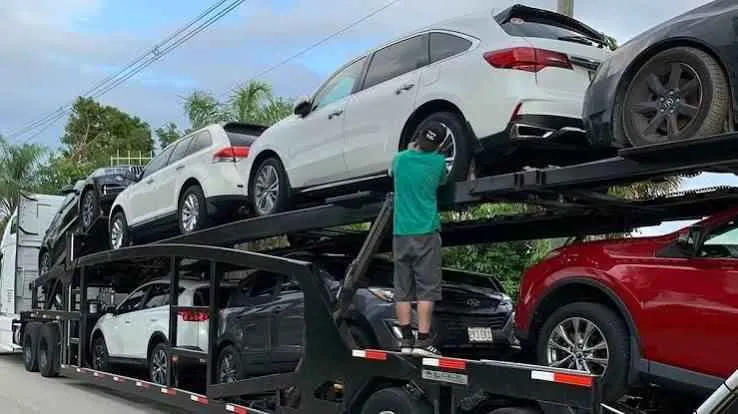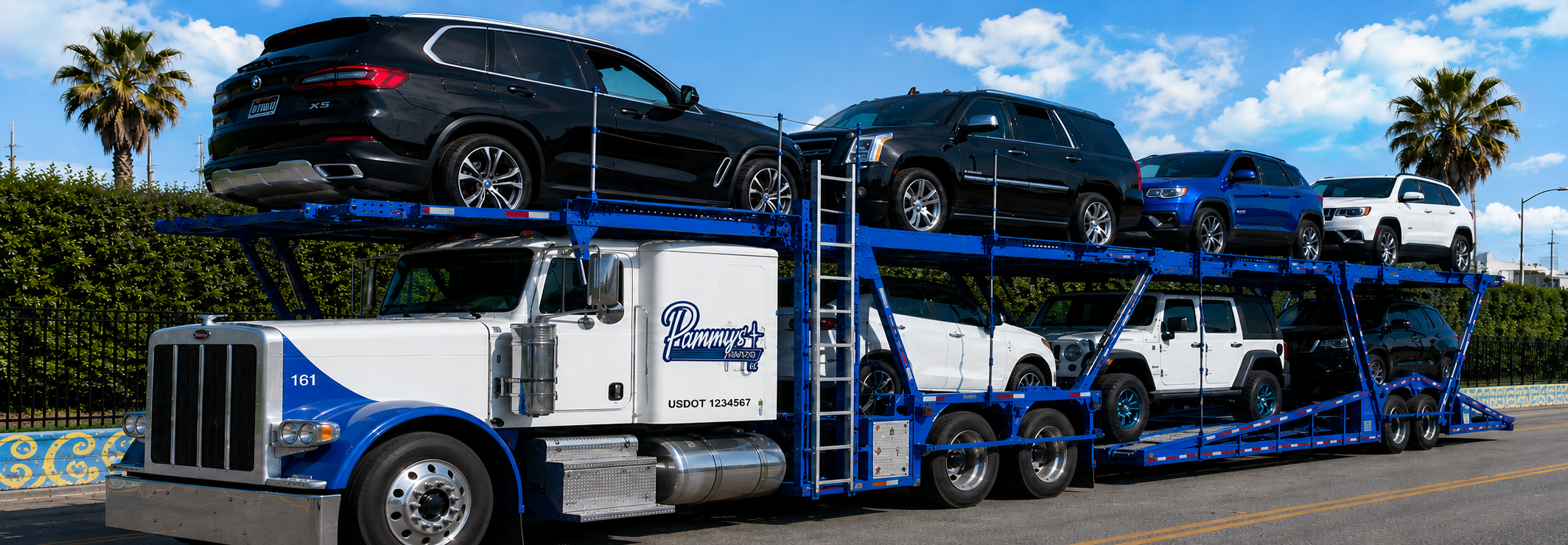
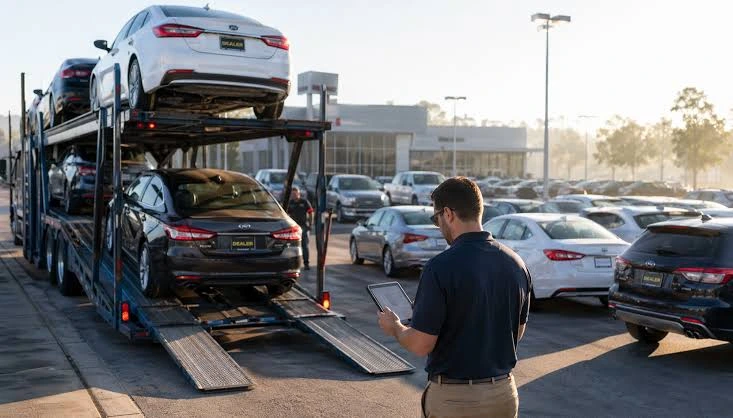
Dealership auto transport decides how fast new inventory reaches your lot, what shape it arrives in and how much each unit costs you. A late truck? That’s a missed sales window. A scratched bumper means a repair bill, or a lower price on the showroom floor.
Most dealers are moving cars all the time, auction buys, dealer trades, factory allocations and customer deliveries. That volume makes your carrier one of your most important vendors, yet plenty of dealerships still pick one on price alone.
So here’s how to choose an auto transporter for dealership inventory without second guessing yourself. We’ll cover what makes dealer auto transport different, which factors matter most, what to ask before you sign and which red flags should send you looking elsewhere.
Why Dealer Auto Transport Is Different From Regular Car Shipping
Shipping one car for a private customer is a one-time job. Dealer auto transport is different, it’s a repeat operation with higher stakes and the right provider treats it that way.
- Volume and frequency: You may need several vehicles moved every week, often to and from the same auctions, ports and rail yards.
- Tight timelines: Inventory sitting on a truck is money that isn’t earning anything. Delivery windows hit your turn rate directly.
- Mixed inventory: One order can include sedans, trucks, EVs and maybe a luxury or classic unit that needs enclosed shipping.
- Paperwork: Dealers need clean bills of lading, condition reports, and quick access to documents for floor plan lenders and auditors.
- Brand reputation: A car that shows up damaged hurts your customer experience not just your transport budget.
A carrier that’s great with retail customers isn’t automatically built for dealership vehicle shipping. Look for one with real experience on dealer accounts.
7 Factors to Weigh When Choosing an Auto Transporter for Dealerships
1. Licensing and Authority
First, confirm the company holds active operating authority with the FMCSA and if it’s a broker, a valid broker license and bond. Look up the USDOT and MC numbers yourself on the FMCSA website, don’t just trust a number printed in an email.
2. Insurance Coverage
Ask for a current certificate of insurance and actually read the cargo coverage limit. A full nine-car hauler carries way more value than a single car so the limit should reflect that. Find out the deductible too, and who pays it if there’s a claim.
3. Experience With Dealer Accounts
A provider offering real car dealer transport services understands auction pickup rules, gate passes, dealer plate requirements and floor plan paperwork. Ask how many dealerships they serve, and get references from stores similar to yours in size and region.
4. Coverage and Network
A reliable network matters more than any single truck. Check that the transporter covers your main lanes like your local auctions, nearby ports and regional hubs. A broker with a big vetted carrier network can often move vehicles faster than a small fleet with limited routes.
5. Transparent Pricing
Good dealership vehicle shipping quotes are itemized and consistent. Compare what’s actually included, fuel, insurance, door-to-door service and expedited options. A quote way below the others usually signals hidden fees or a carrier that won’t show up.
6. Communication and Tracking
You should be able to reach a real person, get pickup and delivery updates and see where a vehicle is without calling three times. Dealers with big inventories do better with a single point of contact, or a dedicated account manager.
7. Damage Handling and Claims Process
Ask how condition reports are done at pickup and delivery, how fast claims get acknowledged and what a typical resolution time looks like. A clear documented process is a strong sign of a professional operation.
Questions to Ask Before Hiring a Dealer Auto Transport Provider
A short vetting call tells you more than a polished website ever will. Use these questions with every dealership auto transport company you consider:
- Are you a carrier or a broker, and who physically moves my vehicles?
- What is your cargo insurance limit, and can I see the certificate?
- How do you document vehicle condition at pickup and delivery?
- What are your typical transit times on my most common lanes?
- Do you offer expedited or guaranteed pickup windows, and what do they cost?
- How do you handle delays, and how will I be notified?
- Can you work with auction and dealer-to-dealer pickups, including gate passes and release paperwork?
- What does your claims process look like from start to finish?
- Can you provide three dealership references I can call?
Pay attention to how they answer, not just what they say. Direct specific answers point to an experienced operator. Vague or defensive ones don’t.
Red Flags to Avoid in Dealership Vehicle Shipping
Some warning signs show up early. If you spot any of these slow down, or walk away:
- A quote that is far lower than every other bid. Some brokers lowball just to win the job, then raise the price later or never find a driver.
- Large upfront deposits or payment demands before pickup. Reputable companies have clear payment terms, period.
- No verifiable USDOT or MC number, or authority that is inactive or recently created.
- Unwillingness to share insurance documents.
- No written agreement or vague terms around pickup windows, liability and cancellation.
- Poor or hard-to-reach communication during the quoting stage. It almost never gets better once you’re a customer.
- A pattern of unresolved damage or delay complaints in reviews or from references.
Open vs. Enclosed Transport for Dealer Inventory
Most dealerships use open carriers for everyday stock and save enclosed trailers for vehicles that justify the extra cost. A good auto transporter for dealerships offers both.
| Open transport | Enclosed transport | |
| Best for | Standard new and used inventory | Luxury, exotic, classic and high-value units |
| Protection | Exposed to weather and road debris | Shielded from weather and debris |
| Cost | Lower per vehicle | Higher per vehicle |
| Availability | Widely available, faster to book | Fewer trucks, may need more lead time |
If your lot mixes both, ask whether the provider can handle open and enclosed loads under one account, so you’re not juggling two vendors.
Build a Long-Term Partnership, Not a One-Off Booking
The best results come from treating your carrier like a partner. Start with a small batch of vehicles on a few lanes, track on-time performance and damage rates, then give more volume to the providers that earn it. Share your forecast when you can, like an upcoming auction run or a model-year changeover, so they can plan capacity. Plenty of dealerships also keep a primary and a backup transporter so one missed pickup never stalls the lot.
Over time a strong relationship brings better rates, priority scheduling and faster claim resolution.
Final Thoughts
Choosing the right dealership auto transport partner comes down to verified credentials, solid insurance, proven dealer experience, clear pricing and responsive communication. Take the time to vet each option with the questions above and don’t decide on price alone. A reliable dealer auto transport provider protects your inventory, your timelines and your reputation, with every vehicle that rolls onto your lot.
Ready to compare options? Request quotes from two or three vetted providers, ask for references and test them on a small order before you commit.
Frequently Asked Questions
How much does dealership auto transport cost?
It depends on distance, vehicle type, open or enclosed trailer, route demand, season and how fast you need pickup. Dealers who ship regularly can usually negotiate better per-unit rates so ask about volume pricing.
Should I use a carrier or a broker for dealership vehicle shipping?
Both can work. Carriers own the trucks and run the move directly, brokers give you wider coverage and flexibility. Whichever you pick, verify authority and insurance and ask who’ll actually haul your vehicles.
How far in advance should I book?
For routine lanes a few days notice is often enough. For enclosed transport, peak seasons or long distances, book earlier. Ask your provider about expedited options for urgent units.
What paperwork do I need for dealer auto transport?
Expect a bill of lading with a condition report at pickup and delivery. For auction pickups you may also need gate passes or release forms, your provider should tell you exactly what’s required.